Your route through this guide
Most Popular Makeover Game Types
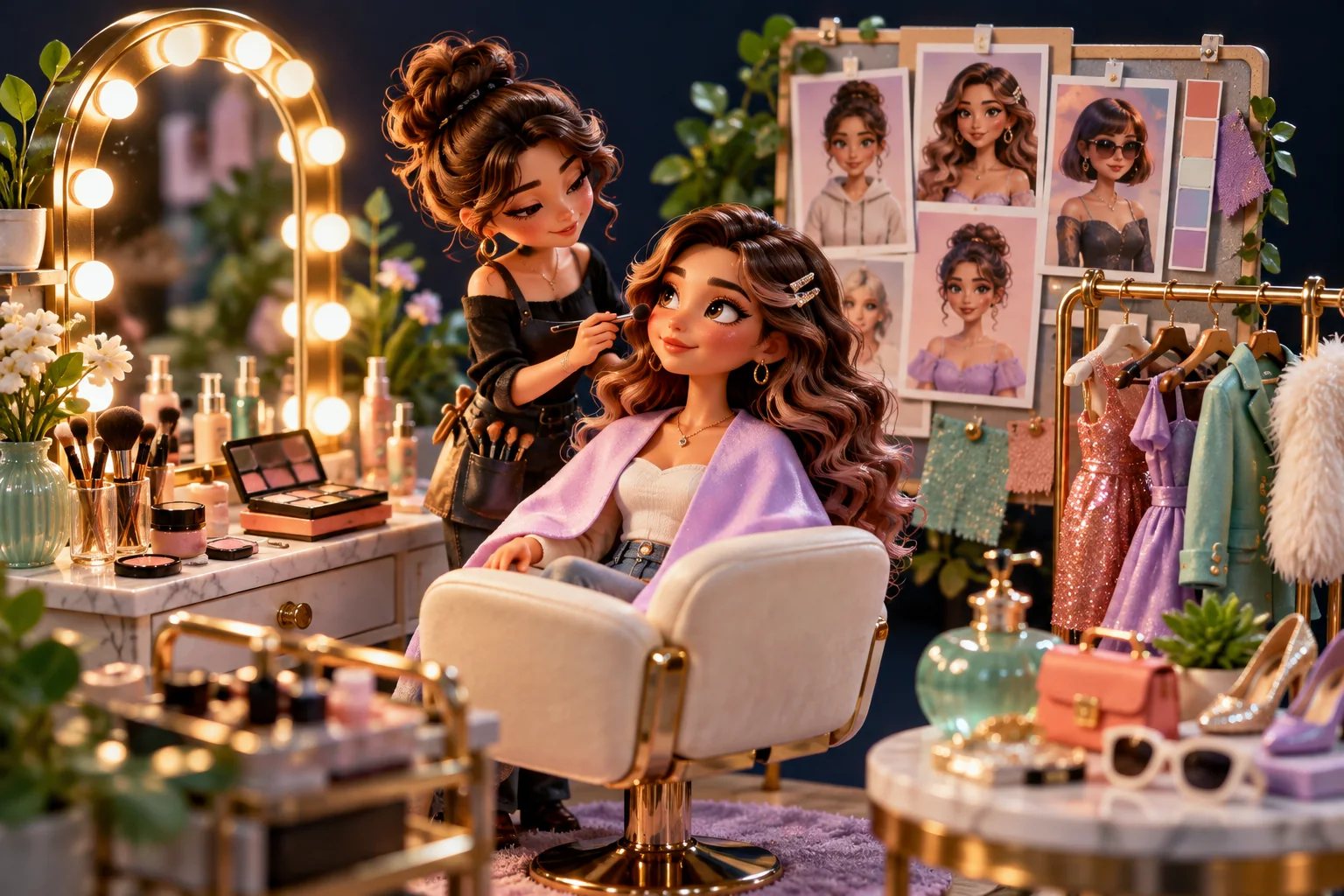
The makeover genre encompasses several distinctive gameplay categories:
Complete Transformation Games: Full makeovers from "before" to stunning "after"
Fashion Styling Challenges: Outfit creation for specific events or themes
Makeup Artist Simulators: Detailed cosmetic application with precision tools
Hair Salon Experiences: Cutting, coloring, and styling virtual hair
Celebrity Transformation Games: Recreating or reinventing famous looks
This variety ensures players can focus on their preferred aspects of the makeover process, from specific skills like makeup application to comprehensive transformations.
Best Outfit Selection Strategies
Creating successful looks requires understanding several key elements:
Occasion Appropriateness: Matching outfits to specific events and settings
Body Type Consideration: Selecting flattering styles for different figures
Color Coordination: Creating harmonious or intentionally contrasting palettes
Accessory Balance: Adding complementary pieces without overwhelming
Trend Integration: Incorporating current fashion elements appropriately
These styling fundamentals transform random clothing selection into strategic image creation, developing genuine fashion knowledge through gameplay.
Fashion Challenge Mastery Tips
More complex styling games introduce additional considerations:
Budget Management: Creating impressive looks with limited resources
Client Preference Interpretation: Meeting specific style requests
Brand Matching: Creating cohesive looks using specific designers
Season Appropriateness: Selecting suitable options for different weather
Style Signature Development: Creating recognizable personal aesthetics
These advanced challenges add strategic depth to fashion games, requiring both creativity and analytical thinking to succeed consistently across various scenarios.
Essential Makeup Game Techniques
Virtual cosmetic application develops understanding of several principles:
Color Theory Application: Selecting complementary shades for different features
Face Structure Enhancement: Using products to highlight or contour
Skin Tone Matching: Finding appropriate foundation and concealer shades
Eye Shape Optimization: Techniques for different eye configurations
Texture Balancing: Combining matte and shimmer finishes effectively
These makeup fundamentals reflect actual cosmetic principles, creating educational value alongside entertainment.
Advanced Makeup Challenge Strategies
More sophisticated makeup games incorporate additional elements:
Theme Interpretation: Creating looks for specific scenarios or concepts
Correction Techniques: Addressing virtual client "concerns" with appropriate products
Product Layering Strategy: Building depth and dimension through multiple products
Special Effects Creation: Designing artistic or fantasy-inspired looks
Seasonal Adaptation: Adjusting makeup approach for different times of year
These advanced makeup elements allow players to develop more nuanced cosmetic skills, potentially transferable to real-world application for those interested in beauty techniques.
Key Hairstyling Game Concepts
Virtual hair salons teach fundamental styling principles:
Face Shape Consideration: Selecting flattering cuts for different face types
Texture Management: Working with straight, wavy, curly, or coily hair
Color Complementation: Choosing shades that enhance skin tone and eyes
Length Balance: Finding appropriate proportions for different looks
Style Appropriateness: Matching hairstyles to occasions and lifestyles
These hairstyling fundamentals closely mirror actual salon considerations, creating surprising educational depth within entertaining gameplay.
Hair Transformation Challenge Techniques
More complex hair games introduce additional skills:
Color Technique Selection: Applying highlights, balayage, or ombre effects
Cut Precision: Executing specific cutting techniques for desired results
Damage Correction: Addressing virtual "problems" like breakage or dryness
Style Longevity Planning: Creating looks with appropriate maintenance needs
Trend Adaptation: Personalizing popular styles for individual clients
These advanced hairstyling elements create engaging problem-solving challenges that require both creativity and technical understanding to execute successfully.
Full Makeover Strategy Fundamentals
Comprehensive transformation games combine multiple styling elements:
Style Analysis: Assessing initial appearance to identify improvement areas
Coordinated Planning: Ensuring hair, makeup, and fashion work together
Personality Consideration: Creating looks that reflect client character
Transformation Balance: Determining appropriate degree of change
Cohesive Vision Execution: Maintaining consistent aesthetic across all elements
These holistic considerations transform separate styling tasks into cohesive makeover experiences that tell visual stories through dramatic transformation.
Extreme Makeover Challenge Techniques
The most complex transformation games involve substantial changes:
Before/After Contrast Maximization: Creating dramatic visual improvement
Problem Area Identification: Addressing specific features needing attention
Confidence Enhancement Focus: Styling to emphasize positive attributes
Life Change Reflection: Creating looks that represent new beginnings
Style Education Integration: Teaching virtual clients about their new look
These narrative-rich transformations add emotional depth to the makeover process, creating satisfying storytelling moments through visual change alone.
Understanding Virtual Client Needs
Many makeover games incorporate customer communication:
Preference Interpretation: Translating client requests into specific choices
Feedback Response: Adjusting approaches based on reaction
Consultation Communication: Gathering information through questions
Recommendation Presentation: Suggesting appropriate options persuasively
Expectation Management: Setting realistic transformation possibilities
These client interaction elements add relationship dimensions to styling challenges, developing communication skills alongside creative abilities.
Building Virtual Client Relationships
More sophisticated client systems involve ongoing connections:
Loyalty Development: Creating repeat virtual customers through satisfaction
Style History Tracking: Remembering previous client preferences
Trust Building: Gradually increasing client willingness to accept suggestions
Referral Generation: Satisfying clients to attract new virtual customers
Personal Story Integration: Learning about client lives and adjusting approaches
These relationship aspects transform single makeovers into ongoing narratives, creating more engaged connections with the virtual styling experience.
Salon and Boutique Success Strategies
Many makeover games incorporate business elements:
Resource Management: Balancing supplies, time, and staffing
Service Menu Development: Creating appropriate offerings at profitable prices
Customer Satisfaction Metrics: Tracking and improving client happiness
Staff Training Systems: Developing employee skills for better results
Marketing Campaign Management: Attracting new virtual clients
These business elements add strategic depth beyond creative styling, creating engaging management challenges within the makeover context.
Fashion Empire Building Techniques
The most complex makeover games include expansion mechanics:
Brand Identity Development: Creating recognizable style signatures
Location Expansion: Opening additional salons or boutiques
Product Line Creation: Developing branded items for retail
Celebrity Client Acquisition: Attracting high-profile virtual customers
Competition Analysis: Positioning against rival businesses
These empire-building aspects transform simple styling into complex business simulations, adding long-term progression to the immediate satisfaction of successful makeovers.
Community Engagement in Makeover Games
Many titles incorporate social elements:
Look Sharing Galleries: Showcasing successful makeovers to other players
Style Competition Participation: Entering themed challenges for recognition
Technique Tutorial Exchange: Sharing approaches with the community
Trend Setting Influence: Inspiring others with innovative style choices
Feedback and Rating Systems: Receiving community response to creations
These social features transform individual creativity into shared experiences, building community around successful style development.
Collaborative Makeover Challenges
Some games include direct multiplayer elements:
Team Transformation Projects: Working together on comprehensive makeovers
Split Responsibility Styling: Dividing fashion, hair, and makeup between players
Real-Time Competition: Simultaneous styling with time pressure
Style Voting Systems: Community selection of winning looks
Friend Makeover Exchanges: Styling friends' avatars reciprocally
These collaborative aspects create social connections through shared creative experiences, adding relationship dimensions to the styling process.
Educational Setting Applications
Makeover games offer legitimate learning opportunities:
Art Class Connections: Reinforcing color theory and visual composition
Business Education Tools: Illustrating customer service and retail concepts
Career Exploration Platforms: Introducing styling and beauty professions
Self-Expression Vehicles: Providing creative outlets within appropriate parameters
Social Skill Development: Practicing client communication and feedback response
These educational applications make makeover games valuable in school settings, where they can supplement curriculum while providing engaging creative experiences.
Quick Session Strategies
For playing during limited time periods:
Single Service Focus: Concentrating on just hair, makeup, or fashion
Challenge Mode Selection: Choosing time-limited specific scenarios
Style Practice Isolation: Developing particular techniques independently
Progress Tracking: Maintaining improvement across brief sessions
Micro-Goal Setting: Establishing achievable objectives for short play periods
These approaches maximize enjoyment during brief gaming opportunities, ideal for restricted environments with limited available time.